Making It in Music: What Every Young Artist Should Know About the Industry
The music industry can feel like a dream factory—bright lights, big stages, viral moments, and overnight success stories. But behind every “breakthrough” is usually a long trail of preparation, relationships, and disciplined work. If
Maestro Bobby Ramirez
1/14/20265 min read



Making It in Music: What Every Young Artist Should Know About the Industry
The music industry can feel like a dream factory—bright lights, big stages, viral moments, and overnight success stories. But behind every “breakthrough” is usually a long trail of preparation, relationships, and disciplined work. If you’re a young artist trying to turn your talent into a real career, it helps to understand one truth early: great music is essential, but it’s not the only thing that builds a sustainable path.
Below are key lessons on branding, networking, and professionalism—the three pillars that separate hobbyists from working artists.
1) Your Brand Is More Than a Logo
When people hear “branding,” they often think of a stage name, a color palette, or a social media look. Those things matter, but your brand is really your identity in the minds of others. It’s what people consistently feel and expect when they see your name.
Start by clarifying:
What do you stand for? (Mood, message, values, culture, purpose)
What makes you different? (Sound, story, live energy, style, personality)
Who is your audience? (Not “everyone”—be specific)
A strong brand creates trust. If you’re known for a certain vibe, people can recommend you faster, book you more confidently, and connect with your music more deeply. Consistency is your best friend: the way you sound, look, write, speak, and show up should all point in the same direction.
2) Networking Is Not “Using People”—It’s Building Community
A lot of young artists avoid networking because it feels fake or transactional. The best networking is the opposite: it’s genuine relationship-building. It’s showing interest, being helpful, and staying connected.
Think in terms of community:
Show up where music happens: open mics, showcases, workshops, jam sessions, local festivals, industry panels.
Be curious about others’ work: producers, DJs, engineers, venue owners, photographers, dancers, designers.
Support first: share someone’s release, buy a ticket, show love publicly, give credit.
A powerful mindset shift is this: you are not “trying to get on.” You’re joining a world of creators who thrive through collaboration. The artists who last the longest tend to be the ones people enjoy working with—because they’re prepared, respectful, and reliable.
3) Professionalism Is a Superpower (And It’s Rare)
In music, talent is common. Professionalism is not. Being professional doesn’t mean being stiff or corporate—it means being dependable, organized, and respectful of everyone’s time and effort.
Professional habits that open doors:
Be on time (early is better)
Be prepared (know your material, bring what you need, have backups)
Communicate clearly (confirm details, respond promptly, keep messages polite and direct)
Follow through (if you say you’ll do it, do it)
Respect the room (engineers, stage crew, venue staff—everyone matters)
A single great performance might impress people. Consistent professionalism earns trust—and trust is what gets you called back.
4) Your Reputation Travels Faster Than Your Music
In every city and scene, people talk. Not in a negative way—just in a practical way. Promoters and musicians want to reduce risk, so they lean on reputation when deciding who to book, recommend, or invest in.
Your reputation is built by:
How you treat people when you’re tired or stressed
Whether you handle feedback with maturity
Whether you bring solutions instead of drama
Whether you can take direction and still stay creative
Protect your name like it’s a valuable instrument. Because it is.
5) Treat Social Media Like a Stage, Not a Diary
Social media can be a career accelerator, but only if you treat it strategically. Your goal isn’t to post everything—it’s to communicate your artistic world and invite people into it.
Simple guidelines:
Show your work: rehearsals, studio moments, performance clips, songwriting, practice routines.
Tell your story: what inspired the song, what you’re learning, what you’re building.
Be consistent: regular posting beats random bursts.
Be intentional: every post should support your identity as an artist.
Think: if someone discovered you today, would your page make it easy to understand what you do and why it matters?
6) Learn the Business Basics Early
You don’t have to become a lawyer, but you do need to understand the basics. Many artists lose money and opportunities simply because they never learned the language of the industry.
Start with:
Royalties and publishing (performance royalties, mechanical royalties, songwriting splits)
Contracts (read before signing, ask questions, avoid vague promises)
Ownership (masters vs. publishing)
Licensing (how music gets used in film, TV, ads, games)
Simple budgeting (studio time, visuals, marketing, travel)
When you understand how money and rights work, you make better decisions and avoid bad deals.
7) Your Live Performance Must Be Reliable
If you want bookings, you need a show that consistently delivers. Promoters don’t just book talent—they book outcomes: a good experience, a smooth setup, and a crowd that leaves happy.
Strengthen your live game by focusing on:
Tight rehearsals and stage confidence
Strong opening and closing moments
Clear set timing (know your minutes)
Solid soundcheck habits
Professional stage presence and transitions
If you’re an independent artist, your live show is often your strongest marketing tool.
8) Long-Term Success Is Built Like a Craft
Many young artists burn out because they expect fast results. But music is a long game, and careers are built in seasons. The artists who “make it” are often the ones who stay consistent long after others quit.
A healthy long-term approach includes:
Regular practice and creative growth
Learning from mentors and collaborators
Setting realistic goals (monthly, quarterly, yearly)
Taking care of your body and mind
Staying adaptable as the industry changes
Consistency is not glamorous—but it’s powerful.
Final Thoughts: Talent Gets Attention, but Skills Build Careers
If you’re serious about music, your job is to develop two things at the same time: your artistry and your professionalism. Branding helps people recognize you. Networking connects you to opportunities. Professionalism turns those opportunities into a real career.
Keep improving your craft, but also build your character, your communication, and your consistency. In the end, the industry doesn’t just reward who sounds good—it rewards who shows up prepared, treats people well, and stays ready for the moment when preparation meets opportunity.
Study flute with Maestro Bobby Ramírez CLICK HERE





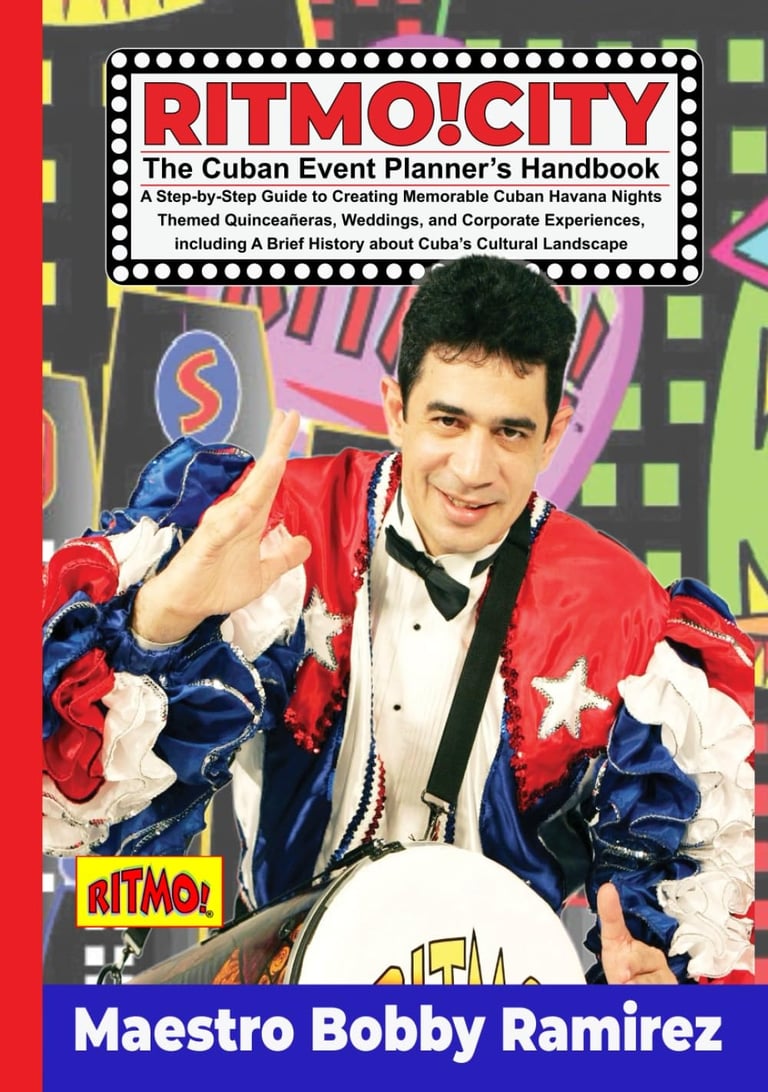


Maestro Bobby Ramirez
Thanks be to GOD for my Talent - I AM
Contact form
© 2026 Maestro Bobby Ramirez. All rights reserved.
About
Music
Videos
Blog
Shop
Education
Reviews
News