
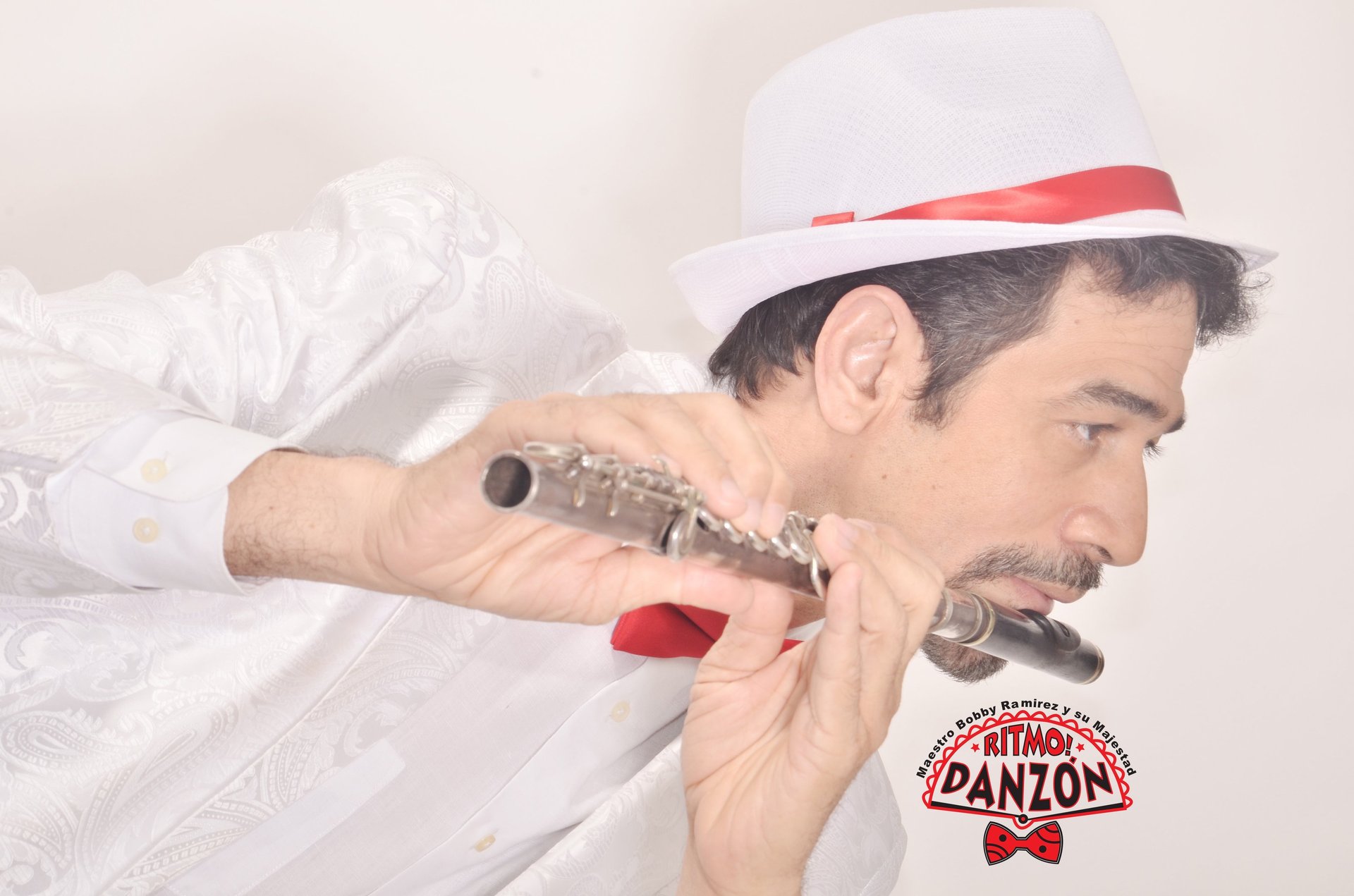
Muscle Memory and the Musician: Building Good Habits from the Start
Muscle memory can become one of a musician’s greatest allies—or reinforce habits that are difficult to correct later. Discover why accurate repetition, relaxed technique, and thoughtful practice are essential for building strong musical habits from the very beginning.
Maestro Bobby Ramirez
9/18/20263 min read

Muscle Memory and the Musician: Building Good Habits from the Start
Why accurate repetition matters and how musicians can avoid reinforcing tension, technical mistakes, and inefficient habits.
Your Body Is Learning Everything You Repeat
When musicians practice, they are training much more than their conscious memory. Through repetition, the brain and body gradually become more efficient at performing familiar movements, whether those movements involve flute fingerings, piano patterns, bow strokes, drum rudiments, vocal coordination, or saxophone technique. We often call this process “muscle memory,” although the learning actually involves the nervous system, the brain, and repeated patterns of physical coordination. The wonderful advantage is that movements that once required great concentration can eventually begin to feel natural and automatic.
There is also an important lesson hidden inside this process: the body does not automatically know whether the habit being repeated is a good one. If we repeatedly practice an incorrect fingering, tense our shoulders every time we approach a difficult passage, or rush through a troublesome rhythm, those patterns can also become familiar. Repetition strengthens what we repeatedly ask the body to do, which is why practicing carefully from the beginning is so important. Good practice is not simply about accumulating repetitions; it is about accumulating correct and thoughtful repetitions.
Slow Down Before You Speed Up
One of the most valuable habits a developing musician can learn is the willingness to practice slowly. A slower tempo gives us time to listen, observe our movements, notice unnecessary tension, and correct mistakes before they become deeply established. Speed should usually emerge from coordination rather than being forced before the body understands the movement. When a passage feels secure slowly, increasing the tempo gradually becomes much easier and considerably more reliable.
This is especially important when learning technically challenging music. Instead of playing an entire difficult passage repeatedly and hoping it eventually improves, isolate the troublesome measures and study them carefully. Check finger placement, breathing, articulation, posture, rhythm, and sound, and then repeat the corrected version until it begins to feel comfortable. Every accurate repetition becomes another small investment in the physical vocabulary you will eventually carry onto the stage.
Tension Can Become a Habit Too
Musicians sometimes concentrate so intensely on playing the correct notes that they forget to notice what the rest of the body is doing. Tight shoulders, clenched hands, locked knees, excessive finger pressure, or shallow breathing can gradually become associated with certain passages or performance situations. Once these responses become habitual, musicians may experience tension without even realizing when it began. Developing body awareness during practice is therefore just as important as developing technical accuracy.
Periodically stop and ask yourself whether the movement you are making feels natural, efficient, and relaxed. Difficult music certainly requires effort, but effort and unnecessary tension are not the same thing. Learning to release excess tension while preserving energy and concentration can improve tone, endurance, technical freedom, and confidence. Healthy technique is not merely about playing better today; it is an investment in being able to continue making music for many years.
Practice the Musician You Want to Become
Every practice session is quietly shaping the musician you are becoming. The habits developed during scales, warm-ups, exercises, rehearsals, and repertoire eventually appear when there is no time to consciously think about every movement—especially during performance. That is why patience at the beginning can create freedom later. When good habits become automatic, the musician has more mental and emotional space to concentrate on phrasing, interpretation, improvisation, communication, and musical expression.
I often remind musicians that practice should never be confused with simply playing something over and over again. Practice is the deliberate process of teaching ourselves how we want the music to feel, sound, and move through the body. Build that foundation carefully, listen closely, correct mistakes early, and give yourself permission to progress gradually. Your muscle memory is always learning—so make sure you are teaching it something worth remembering.
#MaestroBobbyRamirez #MusicEducation #MuscleMemory #MusicPractice #PracticeTips #Musicianship #MusicStudents #MusicalGrowth #HealthyTechnique #PracticeWithPurpose





Performing at the JW Marriott Turnberry Miami


Maestro Bobby Ramirez
Thanks be to GOD for my Talent - I AM
Contact form
© 2026 Maestro Bobby Ramirez. All rights reserved.
About
Music
Videos
Blog
Shop
Education
Reviews
News