
The Art of Improvisation in Classical Music
Explore the rich tradition of improvisation in classical music, from Baroque ornamentation and cadenzas to modern performance creativity, and discover why spontaneous musical expression remains essential today.
Maestro Bobby Ramirez
6/7/20264 min read

The Art of Improvisation in Classical Music
How spontaneous creativity has shaped performance traditions from the Baroque era to today.
Introduction: Classical Music Was Never Meant to Be Frozen
When many people think of classical music, they imagine a performer carefully following every note on the page. While written notation is certainly central to classical tradition, the history of classical music is also filled with spontaneity, imagination, and personal expression. For centuries, great performers were expected not only to read music beautifully, but also to create music in the moment.
Improvisation was once a natural part of classical performance. It allowed musicians to decorate melodies, extend phrases, invent transitions, and display their individual artistry. Far from being separate from classical music, improvisation helped shape its sound, style, and spirit.
Improvisation in the Baroque Era
During the Baroque period, roughly from 1600 to 1750, improvisation was an essential skill. Musicians often performed from a figured bass, a shorthand system that gave the harmony but left many details to the performer. Keyboard players, lutenists, and other continuo musicians were expected to fill in chords, rhythms, and textures creatively.
Ornamentation was also a major part of Baroque style. Singers and instrumentalists would embellish written melodies with trills, turns, passing notes, and expressive flourishes. A simple melodic line could become rich and personal through tasteful improvisation.
Composers such as Johann Sebastian Bach, George Frideric Handel, and Antonio Vivaldi lived in a musical world where performers were not merely readers of music. They were active creators within the style.
The Classical Era and the Cadenza
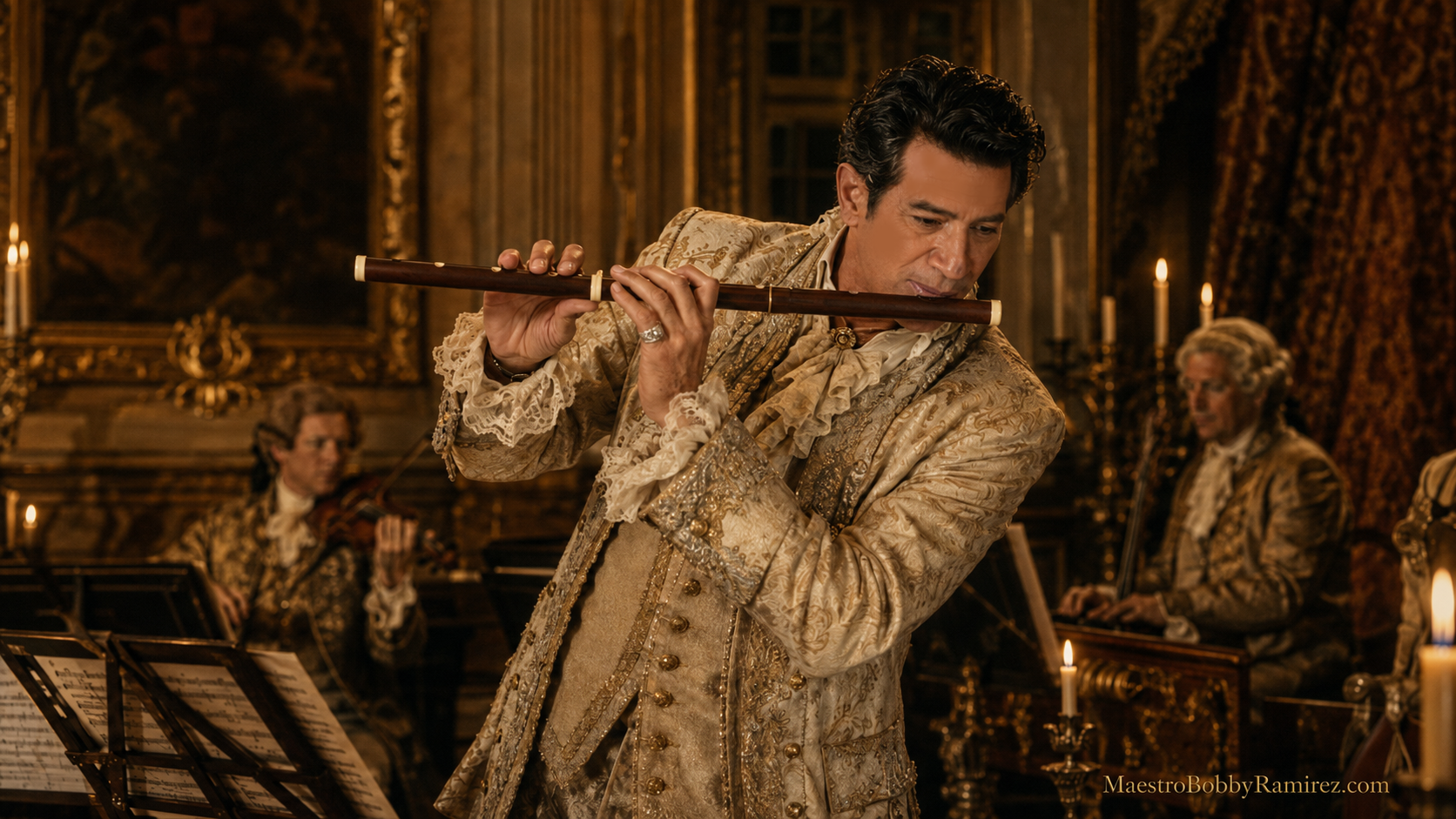
In the Classical era, improvisation continued to play an important role, especially in concertos. The cadenza became one of the most famous examples of classical improvisation. Near the end of a concerto movement, the orchestra would pause, giving the soloist a chance to display virtuosity, imagination, and command of the musical material.
Today, many cadenzas are written out, but originally they were often improvised. A soloist was expected to understand the themes of the movement, transform them creatively, and bring the music to an exciting conclusion.
Wolfgang Amadeus Mozart and Ludwig van Beethoven were admired not only as composers, but also as brilliant improvisers. Their ability to invent music at the keyboard amazed audiences and helped establish their reputations.
Romantic Expression and Personal Voice
During the Romantic period, improvisation remained connected to emotional expression. Pianists, violinists, organists, and singers often used flexible timing, expressive ornamentation, and personal interpretation to bring music to life.
Composers such as Frédéric Chopin and Franz Liszt were legendary performers whose improvisational abilities influenced their written compositions. Their music often sounds spontaneous because it grew from a culture where creativity at the instrument was valued.
Even when performances became more focused on written scores, the spirit of improvisation continued through interpretation. Tempo, phrasing, tone color, articulation, and rubato all gave performers room to shape the music in deeply personal ways.
Improvisation in Classical Music Today
In modern classical performance, improvisation is making a meaningful return. Many musicians are rediscovering historic performance practices, including Baroque ornamentation and improvised cadenzas. Others are exploring new music, cross-genre collaborations, and creative concert formats where improvisation plays a central role.
Organists still carry one of the strongest classical improvisation traditions, often creating preludes, interludes, and postludes on the spot. Contemporary composers and performers also use improvisation to bridge classical music with jazz, folk traditions, film music, and world music.
For students, improvisation can be a powerful learning tool. It strengthens listening, harmony, rhythm, phrasing, and confidence. It also reminds young musicians that music is not only something to repeat, but something to understand, shape, and speak through.
Why Improvisation Matters
Improvisation brings classical music closer to its living roots. It teaches musicians to think creatively, respond in the moment, and develop a personal voice. It also helps audiences experience performance as something fresh and alive rather than merely preserved from the past.
The great classical masters were not just writers of notes. They were musical storytellers, performers, experimenters, and improvisers. To study improvisation is to reconnect with the adventurous spirit that has always lived inside classical music.
Conclusion: The Living Art of Musical Creation
The art of improvisation reminds us that classical music is not a museum piece. It is a living tradition shaped by imagination, discipline, and courage. From Baroque continuo players to Mozart’s cadenzas, from Romantic virtuosos to today’s creative performers, improvisation has always given classical music its spark of surprise.
When musicians improvise, they step into conversation with history. They honor the past while creating something new in the present moment.
Hashtags:
#ClassicalMusic #Improvisation #MusicEducation #BaroqueMusic #Cadenzas #ClassicalPerformance #MusicHistory #CreativeMusicianship #MusicStudents #Ornamentation #Mozart #Bach #Beethoven #ChamberMusic #MusicTeachers #ArtOfImprovisation


Performing at the JW Marriott Turnberry Miami


Maestro Bobby Ramirez
Thanks be to GOD for my Talent - I AM
Contact form
© 2026 Maestro Bobby Ramirez. All rights reserved.
About
Music
Videos
Blog
Shop
Education
Reviews
News