
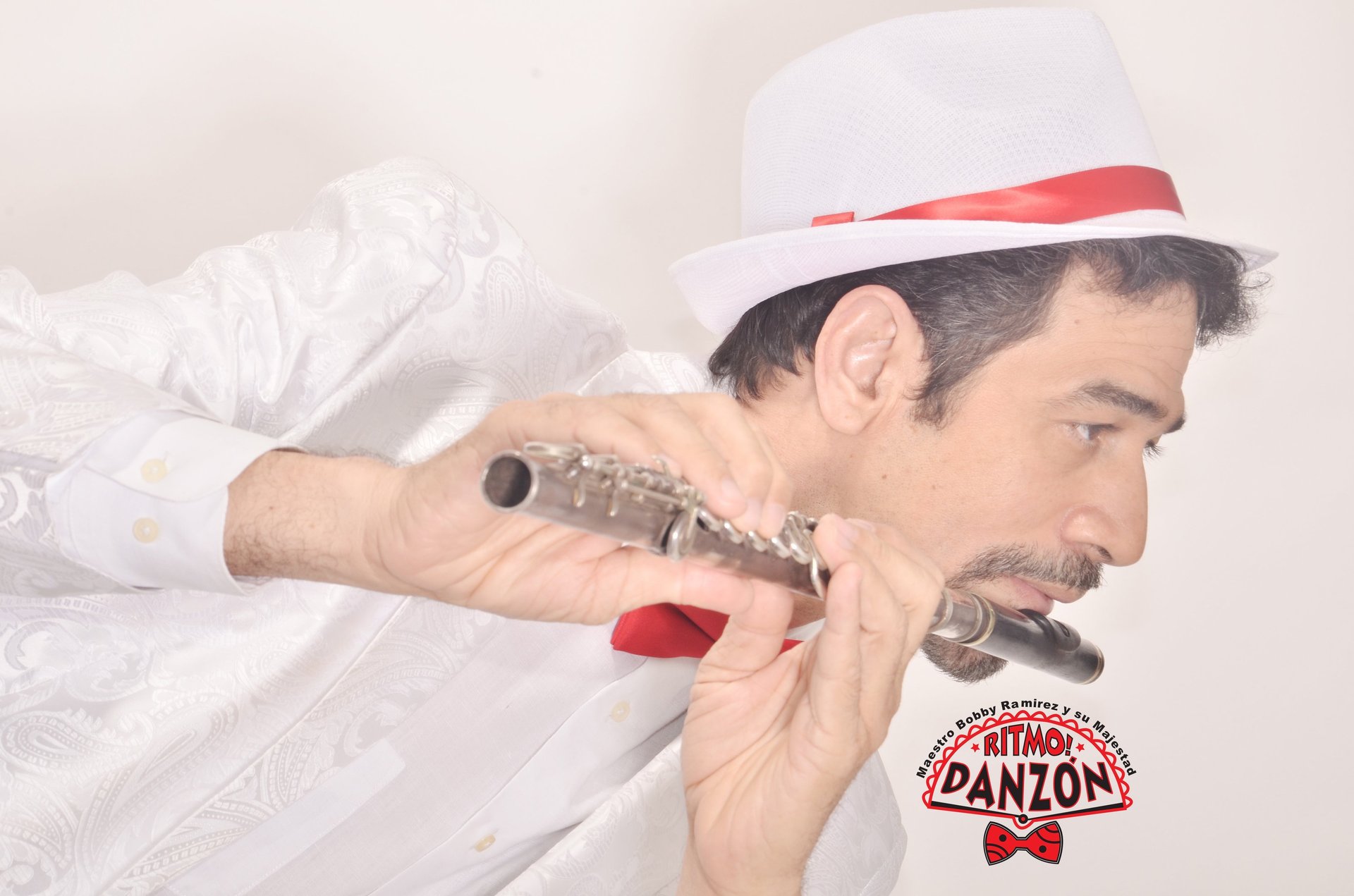
The Sound of Silence - Why Rests Matter as Much as Notes
Discover why rests and silence are essential elements of musical expression, and learn how thoughtful use of space can strengthen phrasing, rhythm, emotion, and communication in performance.
Maestro Bobby Ramirez
9/4/20263 min read

The Sound of Silence: Why Rests Matter as Much as Notes
Understanding how space and silence shape phrasing, rhythm, expression, and musical meaning.
Music Does Not Exist Only in the Notes
When musicians practice, much of our attention naturally goes toward producing beautiful notes. We work on tone, articulation, intonation, rhythm, dynamics, and technique, yet the moments when we do not play can be equally important. A rest is not an empty space waiting for the next note; it is an active part of the musical composition. Silence creates contrast, anticipation, punctuation, and breathing room that allow the notes surrounding it to acquire greater meaning.
Think about ordinary conversation and how differently it would sound if a person spoke continuously without pausing between thoughts. A well-placed pause allows an important statement to settle in the listener's mind and can sometimes communicate more powerfully than additional words. Music works in much the same way. The silence between musical ideas helps us understand where one thought ends and another begins.
Rests Are Part of the Rhythm
Students sometimes treat rests as places where nothing happens, but rhythm continues throughout every silence. A quarter-note rest occupies time just as precisely as a quarter note, and its duration must be felt internally even though no sound is produced. Musicians who lose the pulse during rests often enter too early or too late because they have temporarily stopped participating in the rhythm. The body and mind must therefore continue feeling the beat throughout the silence.
One useful exercise is to practice a passage while counting the rests aloud. Another is to maintain a gentle internal subdivision so that every silent beat has a clearly understood location within the measure. Eventually, this counting becomes internal and natural. The musician learns not merely to wait through a rest, but to perform the rest with the same rhythmic intention given to a sounded note.
Silence Shapes the Musical Phrase
Rests can function almost like punctuation marks in language. A short rest might behave like a comma, separating two related musical thoughts, while a longer silence can create the effect of a period or even the beginning of an entirely new paragraph. Understanding this relationship helps performers shape phrases with greater clarity. It also prevents us from rushing through moments that the composer deliberately left open.
Breathing provides an especially useful analogy for wind players and singers, but the principle applies to every instrumentalist. Musical phrases need room to breathe if they are to sound natural and expressive. Pianists, string players, percussionists, and other musicians can use silence to create the same sense of inhalation, release, and renewal. A beautifully shaped phrase often depends as much on what happens between the notes as on the notes themselves.
Silence Creates Drama and Anticipation
Some of the most powerful moments in music occur immediately before or after a significant sound. A carefully placed silence before a dramatic entrance can cause an entire audience to lean forward in anticipation. Likewise, allowing the final resonance of a phrase to disappear naturally before continuing can create extraordinary emotional intensity. Silence gives listeners time to experience what they have just heard.
This principle becomes particularly important in improvisation and cadenzas. Musicians sometimes feel compelled to fill every available moment with notes, especially when demonstrating technical ability. Yet a confident performer understands that leaving space can make an improvised phrase sound more conversational, mature, and expressive. Silence allows musical ideas to speak.
Learning to Listen to the Space Between the Notes
One of the most valuable exercises a musician can develop is learning to listen during silence. Instead of mentally rushing toward the next entrance, notice the resonance remaining in the room, the harmonic atmosphere created by other musicians, and the emotional direction of the phrase. Active listening transforms silence from absence into participation. It also strengthens ensemble awareness because musicians remain connected even when they are temporarily not playing.
Great musical expression does not require filling every second with sound. Sometimes the most meaningful artistic decision is knowing precisely when not to play. When we learn to respect rests with the same care we give notes, silence becomes part of our musical vocabulary. In that moment, we discover that music is created not only from sound, but from the beautiful relationship between sound and silence.
#MaestroBobbyRamirez #MusicEducation #MusicalExpression #Musicianship #MusicPractice #MusicalPhrasing #Rhythm #PerformancePractice #ClassicalMusic #ListenToTheMusic



Performing at the JW Marriott Turnberry Miami


Maestro Bobby Ramirez
Thanks be to GOD for my Talent - I AM
Contact form
© 2026 Maestro Bobby Ramirez. All rights reserved.
About
Music
Videos
Blog
Shop
Education
Reviews
News